What to Pack for a Theme Park Day
Most theme park packing lists stop at snacks, sunscreen, and a change of clothes, while a handful of smaller essentials tend to get forgotten until they’re genuinely missed partway through the day, usually right when there’s no easy way to fix the gap. Here is a practical look at what earns a spot in the bag beyond the obvious.
Why Theme Park Days Need More Thought Than a Quick Trip
A Full Day of Walking, Queuing, and Activity
A theme park day demands more stamina and preparation than a typical day out, given the sheer amount of walking, queuing, and general activity involved from opening to close. Hours on your feet and in the sun add up more than people expect, particularly across a full day without the regular breaks a more relaxed outing might naturally include.
Most visitors underestimate just how much ground gets covered walking between attractions, often clocking up considerably more distance than a typical city sightseeing day would involve.
Limited Access to Shops Once You’re Inside
Overpriced or limited options once past the entrance gates make it considerably harder to pick up anything forgotten at home. Packing properly in advance avoids paying inflated prices for basics, since most parks charge considerably more for everyday items than you’d pay anywhere else.
A simple item like sunscreen or a phone charger can cost several times its usual price once purchased inside the gates, making proper preparation beforehand genuinely worth the effort.
Comfort Essentials Beyond the Obvious
Footwear for a Full Day of Walking
Comfortable, broken-in shoes matter far more than anything new or untested for a day that’s going to involve hours of walking between rides and attractions. Blisters can derail an otherwise great day fast, turning what should be an enjoyable outing into one everyone’s eager to end early.
Testing shoes on a shorter walk beforehand, rather than wearing a brand new pair for the first time, catches any potential discomfort while there’s still time to choose a different pair.
Layers for Changeable Weather
A light jacket or layer helps manage cooler mornings or evenings that can catch visitors off guard after a warm afternoon. UK weather can shift considerably across a single day out, making a packable layer worth bringing regardless of how the morning forecast looks.
A layer that folds small enough to fit in a bag pocket removes any real excuse for leaving it behind, even on a day that starts off looking settled and sunny.
Eye Comfort and Sun Protection for a Full Day Outdoors
Sunscreen and Reapplication
One morning application rarely lasts through a full day outdoors, particularly once sweat and general activity have had a chance to wear it away. Packing a travel-size bottle for topping up through the day ensures protection actually lasts as long as the day itself does, rather than fading away by early afternoon.
Setting a rough reminder to reapply every couple of hours tends to work better than waiting until sunburn is already visible to prompt the next application.
Sunglasses for Rides and Queuing
Proper UV protection matters for the hours spent outdoors between rides, whether queuing in direct sun or simply walking between attractions. A secure fit matters more than people expect on faster rides, where sunglasses can easily shift or fall off during sudden movement.
A pair with a snug, secure fit tends to survive a day of rollercoasters far better than a stylish but loose pair chosen mainly for appearance.
Contact Lenses as a Practical Option for Rides
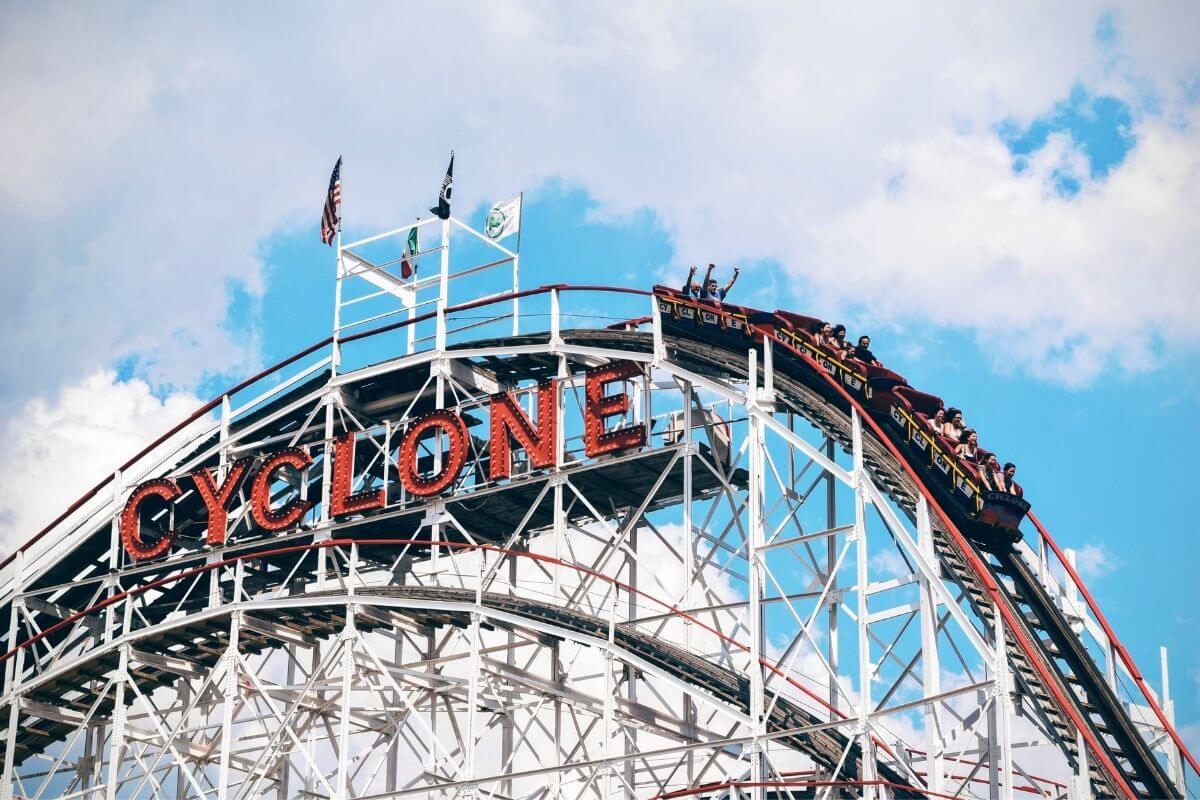
Avoiding the risk of glasses falling off or getting lost on faster rides matters considerably for anyone planning to spend the day on rollercoasters or anything involving sudden drops and turns. Some visitors switch to contact lenses in the UK specifically for a theme park day, removing the worry of losing an expensive pair of glasses mid-ride or having them confiscated before boarding a particularly fast attraction.
This small switch also removes the hassle of glasses fogging up or slipping during a hot, active day spent largely outdoors in direct sun.
Managing Queue Time Without It Dragging the Day Down
Small Entertainment for Longer Waits
A fully charged phone, a handheld game, or a simple deck of cards helps pass the time during longer waits between the more popular rides. Boredom during queues affects mood more than the rides themselves, often shaping how the whole group remembers a particular stretch of the day far more than the ride itself does.
A couple of simple, low-effort options tend to work better than anything requiring much space or setup while standing in a crowded queue line.
Using Apps and Wait-Time Tools
Checking official park apps for real-time queue estimates helps plan which rides to prioritise throughout the day. This small habit helps plan the day more efficiently, avoiding long waits during peak times in favour of shorter queues elsewhere in the park.
Checking this app periodically throughout the day, rather than just once at the start, tends to reveal better opportunities as queue times shift with the crowds.
Snacks, Hydration, and Small Comforts
Bringing Your Own Snacks and Water
Avoiding inflated in-park prices with a bit of planning keeps the overall cost of the day more manageable for a family or group. What’s typically allowed versus what gets confiscated at the gate varies by park, so checking the specific rules in advance avoids an unwanted surprise at entry.
Packing enough snacks and water for the whole group, rather than assuming in-park options will suffice, tends to keep everyone considerably more comfortable across a long day.
A Portable Charger for Your Phone
Phones drain faster than usual from photos, apps, and queue-time scrolling across a long day at a theme park. Keeping access to tickets, maps, and ride wait times all day depends on having enough charge to last, which a portable charger easily covers.
A fully charged power bank, packed alongside a proper cable, removes any worry about a dead phone right when it’s needed most for tickets or navigation.
Planning Around Ride Restrictions and Lockers
Checking What Needs to Be Stored During Rides
Loose items, bags, and phones are often required to go in a locker before boarding certain rides, a detail many first-time visitors don’t anticipate. Checking this in advance saves time and stress at the ride entrance, rather than scrambling to sort belongings while a queue builds up behind you.
Reading up on a park’s specific locker policy before arrival tends to prevent a lot of last-minute confusion once actually at the ride entrance.
Packing Valuables With This in Mind
Keeping essential items easy to grab and store quickly makes the locker process considerably smoother when it comes up throughout the day. An overstuffed bag becomes a problem at exactly the wrong moment, slowing down the whole group right as a ride is ready to board.
A bag organised with frequently needed items near the top tends to make these quick locker transitions far less stressful for everyone involved.
Small Extras That Make a Big Difference
A Small First Aid Kit
Plasters, pain relief, and basics for minor scrapes or headaches cover most of the small mishaps a long, active day tends to involve. This matters more on a long, active day than people expect, given how much walking and activity adds up across a full visit.
A compact kit, kept permanently in the bag rather than assembled fresh each visit, ensures it’s always on hand exactly when needed.
A Locker-Friendly Bag Setup
Packing smart for rides that require bags to be stored makes the whole process considerably easier throughout the day. A smaller, well-organised bag beats an overstuffed one, fitting more easily into lockers and making it quicker to grab exactly what’s needed.
Choosing a bag specifically sized to fit standard park lockers avoids the awkward scramble of trying to force an oversized bag into a space it was never going to fit.
Making the Most of the Day as a Group
Agreeing on a Meeting Point in Advance
A simple backup plan in case the group splits up during the day removes a lot of unnecessary stress in a crowded, unfamiliar park. This small step avoids unnecessary stress in a crowded park, giving everyone a clear plan if phones die or signal becomes unreliable.
Choosing a distinctive, easy-to-find landmark near the entrance tends to work better as a meeting point than something more easily confused with other areas of the park.
Balancing Everyone’s Ride Preferences
Mixing thrill rides with calmer attractions suits a group with varying preferences and comfort levels for faster, more intense rides. A bit of flexibility keeps the day enjoyable for everyone involved, rather than centering the whole visit around just one person’s favourite type of ride.
Taking turns choosing the next ride or attraction tends to keep the whole group genuinely engaged rather than letting one person’s preferences dominate the entire day.
The Bottom Line
A great theme park day comes down to the small things packed alongside the obvious essentials, since the snacks and sunscreen rarely cause a problem, it’s almost always the smaller, easily forgotten items that end up mattering most once the day is properly underway. A bit of extra thought given to footwear, sun and eye protection, hydration, and the small practical details around lockers and ride restrictions turns a good day out into one the whole group actually enjoys from start to finish, rather than one spent managing avoidable discomfort or confusion along the way. None of these additions cost much in terms of time, money, or packing space, yet together they cover most of the small frustrations that tend to define a poorly prepared theme park visit.
Building a proper checklist once, rather than relying on memory to recreate it before every trip, makes this kind of preparation far easier to maintain across every future visit to a theme park. A family or group that has been caught out once, sunburn from a forgotten reapplication, a lost pair of glasses on a fast ride, a dead phone with no way to check ride times, tends to remember these small essentials on every trip that follows, having learned their value through genuine experience. Starting with a proper list from the outset, rather than learning through a string of avoidable inconveniences, simply gets everyone to that same well-prepared, smoothly run versio

- What to Pack for a Theme Park Day - 6 October 2026
- Tenner in my pocket: The rise of alternative adventure - 23 December 2025
- Where to See the Best Christmas Lights in London (2025) - 15 October 2025